Category: Rare Disease

  • Brian Place’s Journey with Rare Male Breast Cancer

    Brian Place’s Journey with Rare Male Breast Cancer

    In a world where breast cancer is predominantly associated with women, Brian Place’s story challenges the misconceptions surrounding the disease. At the age of 41, Brian noticed a lump near his left nipple, initially dismissing it as a mere consequence of his rigorous rugby matches. Little did he know that his life was about to take an unexpected turn.

    Despite his doctor’s initial dismissal, a nagging concern led Brian to undergo a mammogram test. The results sent shockwaves through his life and those around him: a diagnosis of breast cancer. The rarity of male breast cancer left the staff at his local breast clinic astounded, assuming that Brian must have been accompanying a female patient. With less than 1% of breast cancer cases occurring in men, his journey became a testament to the lesser-known face of this disease.

    In the realm of breast cancer research, extensive studies have been conducted on hundreds of thousands of female patients, allowing for evidence-based recommendations. However, a notable gap exists when it comes to male breast cancer. Dr. Larissa Korde, a staff clinician at the National Cancer Institute, acknowledges the challenge of extrapolating findings from female-centric research to make informed decisions for male patients.

    A crucial factor to consider is family medical history, which applies to both men and women. Brian’s own experience highlights the significance of genetic predisposition. Having lost two female relatives to breast cancer and one to ovarian cancer, he became acutely aware of the potential risks lurking within his own genetic makeup. Certain gene mutations, such as BRCA2 mutations, have been linked to increased susceptibility to breast and ovarian cancers, even in men. Interestingly, certain populations with a higher prevalence of these mutations, such as Sweden, Hungary, Iceland, and Ashkenazi Jews, have observed a higher incidence rate of male breast cancer.

    Navigating the world of male breast cancer poses unique challenges. Men often face delays in diagnosis due to the absence of routine screening programs tailored to their needs. Consequently, tumors may go undetected, further exacerbating the situation. However, survival rates for male breast cancer align with those of their female counterparts when considering the stage at which the disease is diagnosed. Early detection remains vital in ensuring positive outcomes.

    Treatment for male breast cancer follows a similar path to that of women, encompassing surgery, radiotherapy, chemotherapy, and hormone therapy. Hormone-receptor-positive tumors, a prevalent characteristic among men with breast cancer, necessitate targeted hormone treatment. Yet, like many medical interventions, hormone therapy can come with side effects. Brian’s own experience led him to make the difficult decision to discontinue treatment due to the discomfort caused by side effects like hot flashes.

    Beyond his personal journey, Brian has emerged as a beacon of support and advocacy for male breast cancer awareness. Engaging in online discussions and support groups, he generously shares his knowledge and experiences, providing a lifeline for those seeking guidance and understanding. Brian’s affiliation with organizations like Breast Cancer Care in the U.K. has empowered him to deliver impactful talks, helping dispel the stigma associated with male breast cancer and fostering a supportive community.

    In a world where male breast cancer remains an enigma, Brian Place’s journey serves as a wake-up call. His experience sheds light on the need for further research, increased awareness, and tailored support for men grappling with this uncommon but significant condition. Together, we can break the barriers and ensure that no one faces the battle against breast cancer alone, regardless of gender.
  • Pulmonary Alveolar Microlithiasis: Symptoms, Causes, Diagnosis & Treatment

    Pulmonary Alveolar Microlithiasis: Symptoms, Causes, Diagnosis & Treatment

    Pulmonary Alveolar Microlithiasis (PAL) is a rare lung disorder that affects the tiny air sacs in the lungs known as alveoli. This condition is characterized by the accumulation of tiny calcium phosphate stones, called microliths, in the alveoli, which can lead to breathing difficulties, coughing, and chest pain. Although it is a rare condition, it can have a significant impact on an individual’s quality of life. In this article, we will explore the causes, symptoms, diagnosis, and treatment options for PAL.

    What are the Causes and Risk Factors of Pulmonary Alveolar Microlithiasis

    The exact cause of pulmonary alveolar microlithiasis (PAL) is still unknown. However, researchers believe that it is caused by genetic mutations that result in the accumulation of calcium deposits in the lungs. This can lead to the formation of small stones or microliths within the air sacs of the lungs, which can interfere with breathing and lung function over time.

    There is also evidence to suggest that certain environmental factors, such as exposure to dust and pollutants, may exacerbate the condition. However, more research is needed to fully understand the relationship between these factors and the development of PAL.

    In terms of risk factors, PAL is a rare genetic disorder that is most commonly seen in individuals with a family history of the condition. It is more common in certain populations, such as those of Italian or Japanese descent. Additionally, the condition is most often diagnosed in individuals between the ages of 20 and 50, although it can occur at any age.

    What are the Common Symptoms of Pulmonary Alveolar Microlithiasis?

    Some common symptoms of pulmonary alveolar microlithiasis (PAL) are:

    • Shortness of breath during physical activity, and in severe cases, even while resting
    • Dry cough that does not go away
    • Chest pain or discomfort
    • Fatigue and weakness
    • Rapid breathing
    • Weight loss and loss of appetite
    • Clubbing of fingers and toes (enlarged fingertips with nails that curve around the ends)
    • Wheezing and crackling sounds in the lungs during breathing.

    It is important to note that not all people with PAL experience all of these symptoms, and some may have no symptoms at all. If you experience any of these symptoms, especially if they persist or worsen over time, it is important to see a doctor for proper evaluation and diagnosis.

    Diagnosis & Treatment Options for Pulmonary Alveolar Microlithiasis

    To accurately diagnose PAL, imaging tests are crucial. The following are the most commonly used medical imaging tests for PAL diagnosis:

    • X-ray: A chest X-ray is often the first test performed to detect lung abnormalities. In PAL patients, X-rays may show a “sandstorm” appearance in the lungs due to the presence of tiny calcified nodules.
    • High-resolution CT (HRCT): HRCT is a more detailed imaging test that can identify the extent and severity of calcifications in the lungs. HRCT can also help differentiate PAL from other lung diseases.

    Once a PAL diagnosis is confirmed, treatment options may depend on the severity of the disease and the symptoms that the patient experiences. Currently, there is no cure for PAL, but there are several treatments that can help manage symptoms and slow the progression of the disease, including:

    • Bronchial hygiene therapy: This therapy involves breathing exercises and physical therapy techniques to help clear mucus from the airways and improve lung function.
    • Corticosteroids: These anti-inflammatory medications can help reduce inflammation in the lungs and improve breathing in some PAL patients.
    • Lung transplantation: In severe cases of PAL, lung transplantation may be the only option for treatment. However, this option carries significant risks and is only recommended for patients with advanced disease and limited life expectancy.

    It is essential to work closely with a healthcare provider who has experience managing PAL to determine the best course of treatment.

    Living with Pulmonary Alveolar Microlithiasis – Tips & Strategies

    Living with a rare disease like Pulmonary Alveolar Microlithiasis (PAL) can be challenging, but it’s important to remember that you’re not alone. Here are some tips and strategies that can help you manage your condition and live a fulfilling life:

    1. Stay informed: Knowledge is power, so make sure to educate yourself about your condition. Stay up to date on the latest research and treatment options by consulting with your doctor and attending support groups.
    2. Follow your treatment plan: Stick to your prescribed treatment plan, including medication, oxygen therapy, and regular check-ups with your doctor. These measures can help slow the progression of PAL and manage symptoms.
    3. Manage symptoms: Depending on the severity of your PAL, you may experience shortness of breath, chest pain, and coughing. Practice breathing techniques, such as pursed lip breathing, to ease shortness of breath. Take pain medication as prescribed by your doctor and use heating pads or hot water bottles to alleviate chest pain.
    4. Exercise regularly: Exercise can help improve lung function and overall health. Consult with your doctor to determine a safe and effective exercise plan that meets your needs.
    5. Maintain a healthy lifestyle: Eat a balanced diet, get enough sleep, and avoid smoking and exposure to secondhand smoke, which can exacerbate your symptoms.
    6. Seek emotional support: Coping with PAL can be emotionally challenging. Seek support from loved ones, join a support group, or talk to a mental health professional to help manage stress and anxiety.

    Remember, living with PAL requires patience and persistence, but it’s important to stay positive and focus on the things you can control. By taking care of yourself and seeking support, you can lead a fulfilling life with this rare disease.

  • 10 Rare Diseases You Need to Know About

    10 Rare Diseases You Need to Know About

    Have you ever heard of diseases that are so rare that they affect only a few people in the world? These lesser-known conditions may not be as common as the flu or a cold, but they still deserve attention. In fact, learning about these rare diseases can help us better understand the human body and appreciate the incredible diversity of the human experience. So buckle up and get ready to explore the world of rare diseases – from the bizarre to the heartbreaking, and everything in between.

    1. Acromegaly

    Acromegaly is a rare condition caused by an overproduction of growth hormones. This leads to the growth of bones and tissues in the body, resulting in a number of symptoms such as enlarged facial features, hands and feet, joint pain, fatigue, and headaches. The condition can also cause serious health complications such as cardiovascular disease, diabetes, and sleep apnea. Treatment options include medication, surgery, and radiation therapy.

    2. Amyloidosis

    Amyloidosis is a rare disease caused by the buildup of abnormal proteins in various organs and tissues throughout the body. Symptoms can vary widely depending on which organs are affected but may include fatigue, weight loss, swelling in the legs and ankles, shortness of breath, and abnormal heart rhythms. Treatment options vary depending on the type of amyloidosis but may include medication, chemotherapy, stem cell transplant, or supportive care.

    3. Cystic Fibrosis

    Cystic fibrosis is an inherited disease that affects the lungs and digestive system. The disease is caused by a defective gene that results in the production of thick, sticky mucus in the lungs and digestive tract. This can lead to a number of symptoms such as chronic cough, frequent lung infections, difficulty breathing, poor growth, and digestive problems. Treatment options include medication, airway clearance techniques, and lung transplants.

    4. Fabry Disease

    Fabry disease is a rare genetic disorder that causes a buildup of a type of fat in the body called globotriaosylceramide. This buildup can damage the kidneys, heart, and nervous system. Symptoms can include pain and numbness in the hands and feet, skin rashes, hearing loss, vision problems, and gastrointestinal issues. Treatment options include enzyme replacement therapy, medications for pain management, and supportive care.

    5. Huntington’s Disease

    Huntington’s disease is a rare genetic disorder that causes the degeneration of nerve cells in the brain. This can lead to a number of symptoms such as movement disorders, cognitive decline, and psychiatric problems.

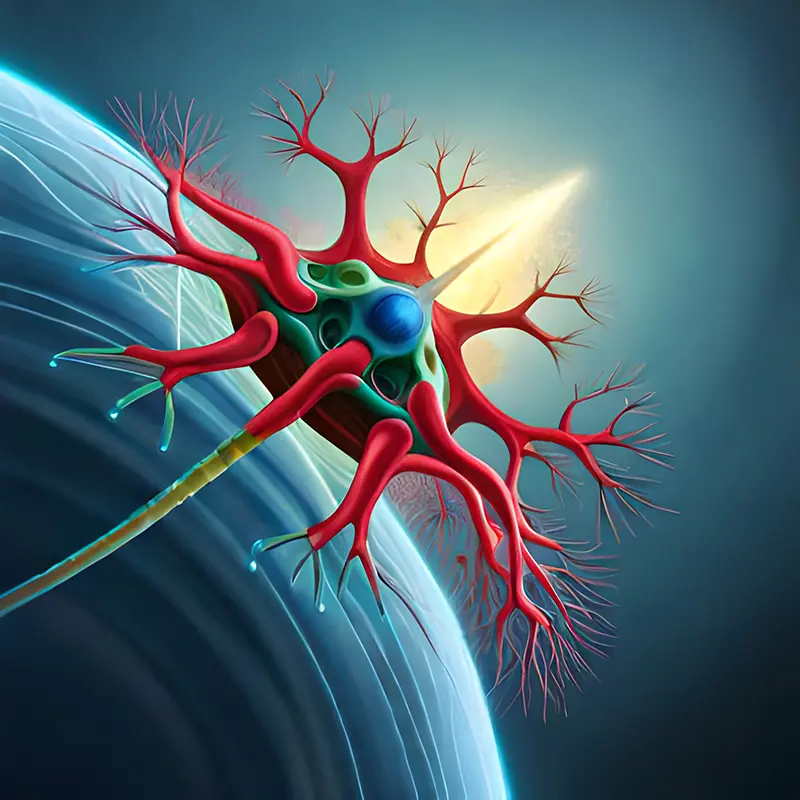
    Degeneration of nerve cells in the Brain – Symbolic Image

    Symptoms typically develop in middle age, but can appear earlier or later. There is currently no cure for Huntington’s disease, but treatment options include medication to manage symptoms, occupational and physical therapy, and support groups for patients and caregivers.

    6. Lymphangioleiomyomatosis

    Lymphangioleiomyomatosis, also known as LAM, is a rare lung disease that affects mostly women of childbearing age. The disease causes abnormal growth of smooth muscle cells in the lungs, which can lead to breathing difficulties, collapsed lungs, and other complications. Symptoms include shortness of breath, coughing, chest pain, and fatigue. Although there is no cure for LAM, treatment options such as lung transplant, medication, and oxygen therapy can help manage symptoms and improve quality of life.

    7. Niemann-Pick Disease

    Niemann-Pick Disease is a rare genetic disorder that affects the body’s ability to metabolize fats, leading to a buildup of fatty substances in various organs and tissues. There are several types of Niemann-Pick Disease, with varying severity and symptoms. Common symptoms include jaundice, enlarged liver and spleen, developmental delays, and difficulty coordinating movements. While there is currently no cure for Niemann-Pick Disease, treatments such as medication, enzyme replacement therapy, and bone marrow transplant can help manage symptoms and improve quality of life.

    8. Pompe Disease

    Pompe Disease is a rare genetic disorder that causes the buildup of a complex sugar molecule called glycogen in the body’s cells, particularly in the muscles. This buildup can lead to muscle weakness, breathing difficulties, and other complications. Symptoms usually begin in early childhood and can range from mild to severe. Treatment options include enzyme replacement therapy, respiratory support, and physical therapy to manage symptoms.

    9. Prader-Willi Syndrome

    Prader-Willi Syndrome is a rare genetic disorder that affects many parts of the body, leading to a wide range of symptoms and complications. Some of the common symptoms include an insatiable appetite, low muscle tone, intellectual disabilities, and behavioral problems. Treatment options for Prader-Willi Syndrome include hormone therapy, medication, and behavioral therapy to help manage symptoms.

    10. Wilson’s Disease

    Wilson’s Disease is a rare genetic disorder that causes the buildup of copper in the body, leading to damage to the liver, brain, and other organs. Symptoms can vary widely and include jaundice, tremors, difficulty coordinating movements, and psychiatric problems. Treatment options for Wilson’s Disease include medication to remove excess copper from the body, dietary changes, and liver transplants in severe cases.

    Despite being rare, these diseases can have a significant impact on the lives of those affected and their families. Early diagnosis and treatment can help manage symptoms and improve the quality of life for those living with these conditions.

  • Monkeypox Disease: Symptoms, Prevention, and Treatment Guide

    Monkeypox Disease: Symptoms, Prevention, and Treatment Guide

    Monkeypox is a rare but serious viral disease that causes symptoms similar to smallpox. While the disease is mostly found in remote parts of Central and West Africa, it can also be transmitted to other parts of the world. This comprehensive guide will cover everything you need to know about monkeypox, including its symptoms, prevention, and treatment.

    What is Monkeypox Disease and How Does it Spread?

    Monkeypox disease is a rare but serious illness caused by the monkeypox virus, a zoonotic disease that can be transmitted from animals to humans. The virus was first identified in 1958 when outbreaks of a pox-like disease occurred in monkeys kept for research. Since then, human cases have been reported sporadically in Central and West African countries. In recent years, there have been a few cases reported in other parts of the world, including the United States, Israel, and Singapore.

    How Does Monkeypox Virus Spread?

    The monkeypox virus is primarily an animal-borne virus that can be transmitted to humans through close contact with infected animals. The virus has been found in rodents, primates, and other animals, including squirrels, rodents, and rabbits. In Africa, the virus is commonly transmitted to humans through the handling of infected animals, such as hunting, preparing, or consuming bushmeat.

    Once a person is infected, the virus can be spread from human to human through close contact with bodily fluids or lesions of an infected person. This can include respiratory droplets or touching contaminated surfaces. The virus is not highly contagious and does not spread easily from person to person.

    Common Symptoms of Monkeypox and When to Seek Medical Attention

    Are you aware of the common symptoms of monkeypox? This zoonotic disease caused by the monkeypox virus can affect both humans and animals, and its symptoms may vary from mild to severe. Therefore, it’s essential to recognize the signs and know when to seek medical attention.

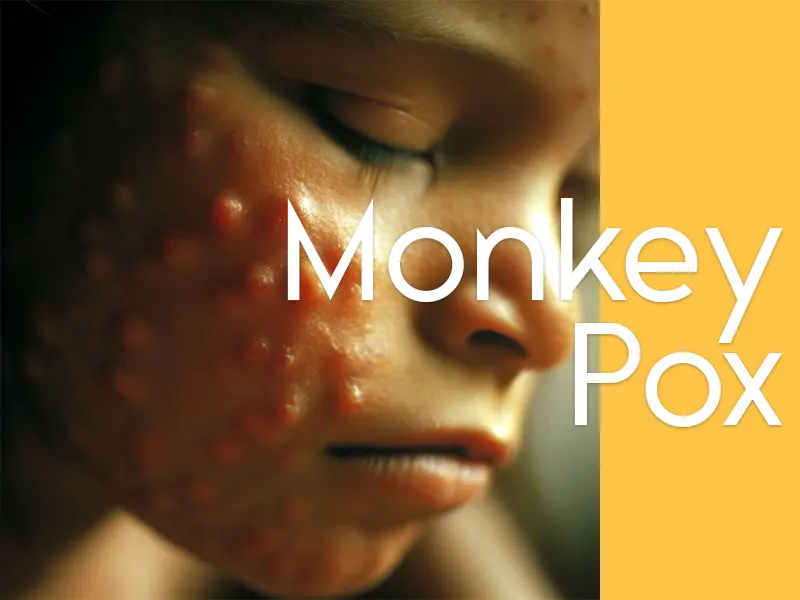
    The first symptoms of monkeypox are similar to those of flu-like illnesses, such as fever, headache, chills, and body aches. However, after a few days, a rash usually appears, starting on the face and then spreading to other parts of the body. The rash may evolve into pustules or nodules, which can be painful and itchy.

    Other possible symptoms of monkeypox include swollen lymph nodes, muscle stiffness, sore throat, cough, and fatigue. In severe cases, complications such as pneumonia, meningitis, and encephalitis may develop, which can be life-threatening.

    If you experience any of these symptoms and have been exposed to animals, especially rodents, primates, or squirrels, or have traveled to areas where monkeypox is endemic, you should seek medical attention promptly. Your healthcare provider may conduct diagnostic tests, such as a blood test or a skin biopsy, to confirm the diagnosis.

    Remember that monkeypox is a rare disease, but it’s essential to take precautions to prevent its spread, such as avoiding contact with sick animals, washing your hands frequently, and wearing protective clothing when handling animals. Stay informed, and if you have any concerns about your health, consult your healthcare provider.

    Prevention Strategies for Reducing the Risk of Contracting Monkeypox

    Preventative Measures Against Monkeypox:

    1. Avoid contact with animals infected with the virus: Monkeypox is primarily spread through contact with infected animals. Avoiding contact with animals such as monkeys, squirrels, and rodents can greatly reduce the risk of contracting the virus.
    2. Practice good hygiene: Frequent hand washing with soap and water is an effective way to prevent the spread of monkeypox. If soap and water are not available, alcohol-based hand sanitizers can also be used.
    3. Avoid consuming bushmeat: Bushmeat, which refers to the meat of wild animals, can be a source of monkeypox infection. Avoiding the consumption of bushmeat is an effective way to reduce the risk of contracting the virus.
    4. Wear protective clothing: If contact with infected animals cannot be avoided, it is important to wear protective clothing such as gloves and long-sleeved shirts to reduce the risk of exposure.
    5. Vaccination: Currently, there is a vaccine available for monkeypox that has been shown to be highly effective in preventing the disease. Individuals at high risk of exposure, such as those who work with animals, should consider getting vaccinated.

    Treatment Options for Those Infected with Monkey Pox

    While there is no specific cure for the disease, there are several treatment options available that can help to manage symptoms and improve outcomes.

    One of the main treatment strategies for monkeypox is the use of antiviral drugs. These drugs work by inhibiting the replication of the virus in the body, thereby reducing the severity of symptoms and helping the body to fight off the infection. Some of the antiviral drugs that are commonly used to treat monkeypox include cidofovir, brincidofovir, and acyclovir.

    In addition to antiviral drugs, supportive care is also an important part of managing monkeypox. This may include measures such as pain relief medication, fever-reducing drugs, and hydration therapy to prevent dehydration. Patients with severe cases of monkeypox may require hospitalization to receive more intensive care.

    It is important to seek medical attention promptly if you suspect that you may have been infected with monkeypox, as early treatment can help to improve outcomes and reduce the risk of complications.

    Conclusion

    In short, monkeypox is a rare but serious zoonotic disease that can be contracted through contact with infected animals or their bodily fluids. Symptoms include fever, rash, chills, headache, and body aches, which can be managed with supportive care and antiviral medication. To reduce the risk of contracting monkeypox, it is important to practice good hygiene, avoid contact with wild animals, and seek medical attention if you experience any symptoms. By taking these preventative measures, you can help protect yourself and others from this potentially dangerous disease.