Tag: featured

  • Everything You Need to Know About Ayurvedic Medicine and its Benefits

    Everything You Need to Know About Ayurvedic Medicine and its Benefits

    Have you ever heard of Ayurvedic medicine? It’s a holistic healing system that has been around for thousands of years and originated in India. Ayurvedic medicine is based on the idea that the mind, body, and spirit are interconnected, and that the key to good health is to balance these three elements.

    In Ayurvedic medicine, there are three doshas, or energies, that are believed to govern the body: Vata, Pitta, and Kapha. Each person has a unique combination of these doshas, which is why Ayurvedic medicine is highly personalized and tailored to the individual.

    Ayurvedic medicine uses a variety of techniques to promote healing and balance, including diet and nutrition, herbal remedies, massage, meditation, and yoga. The goal is to promote health and prevent disease, rather than just treating symptoms.

    One of the key benefits of Ayurvedic medicine is that it takes a holistic approach to health, addressing not just physical symptoms but also emotional and spiritual well-being. This can lead to a deeper sense of balance and harmony in your life.

    In this blog post, we’ll dive deeper into the benefits of Ayurvedic medicine and explore some of the different techniques and practices that are used in this ancient healing system. Whether you’re curious about Ayurvedic medicine or looking for ways to improve your overall health and well-being, this post is for you. So, grab a cup of tea, and let’s explore the world of Ayurvedic medicine together!

    Introduction: What is Ayurvedic Medicine and How Does it Work?

    Ayurvedic medicine, also known as Ayurveda treatment, is an ancient system of natural healing that originated in India thousands of years ago. Ayurvedic medicine is based on the belief that the mind, body, and spirit are interconnected and that maintaining the balance between these three elements is key to achieving holistic wellness.

    Ayurvedic medicine is a holistic approach to healing that uses natural remedies and techniques to promote overall health and well-being. The goal is not just to treat symptoms, but to address the root cause of the problem and restore balance to the body.

    Ayurvedic medicine is highly personalized, as it takes into account each individual’s unique dosha, or energy, which is determined by factors such as personality, lifestyle, and physical characteristics. By identifying an individual’s dosha, an Ayurvedic practitioner can create a customized treatment plan that includes diet and nutrition, herbal remedies, massage, meditation, and yoga.

    Ayurvedic medicine works by addressing the root cause of the problem, rather than just treating symptoms. By promoting balance and harmony in the body, Ayurvedic medicine can help prevent disease and promote overall health and well-being. It is a natural and holistic approach to healing that has been practiced for thousands of years and is still widely used today.

    Why Choose Ayurvedic Medicine over Traditional Western Medicine

    When it comes to healthcare, there are many options available, including traditional Western medicine and Ayurvedic medicine. While both have their benefits, Ayurvedic medicine offers some unique advantages that make it an appealing choice for many individuals seeking natural remedies for health.

    One of the main advantages of Ayurvedic medicine is its focus on natural remedies and herbal remedies. Ayurvedic medicine uses natural ingredients such as herbs, spices, and oils to promote healing, rather than relying on synthetic medications. This approach can be particularly appealing for individuals who are looking for a more natural and holistic approach to healing.

    Another advantage of Ayurvedic medicine is its emphasis on personalized treatment. Unlike Western medicine, which often takes a one-size-fits-all approach, Ayurvedic medicine recognizes that each individual is unique and requires a customized treatment plan based on their dosha and specific needs. This personalized approach can lead to more effective treatment and better long-term health outcomes.

    Ayurvedic medicine also places a strong emphasis on preventative care, promoting healthy lifestyle habits and practices that can help prevent illness and disease. This focus on prevention can be particularly appealing for individuals who want to take an active role in their own health and well-being.

    While Ayurvedic medicine may not be appropriate for all health concerns and conditions, it offers a natural and holistic approach to healing that can complement traditional Western medicine. By incorporating Ayurvedic practices and remedies into your healthcare routine, you may be able to achieve better overall health and wellness.

    Exploring Different Types of Ayurvedic Treatments for Your Health Needs

    Ayurvedic medicine offers a variety of treatments that can be tailored to meet the unique health needs of each individual. Ayurveda therapy treatments can be used to promote healing, prevent disease, and promote overall health and well-being.

    One popular Ayurvedic treatment is Panchakarma, which is a detoxification process that involves a series of massages, herbal remedies, and other techniques to remove toxins from the body. This treatment is believed to improve digestion, boost immunity, and promote overall wellness.

    Another Ayurvedic treatment is Abhyanga, which is a full-body massage that uses warm herbal oils to promote relaxation and relieve stress. This treatment is believed to improve circulation, boost immunity, and promote healthy skin.

    Ayurvedic treatments also include herbal remedies, which are used to treat a variety of health conditions. For example, Ashwagandha is an herb that is commonly used in Ayurvedic medicine to reduce stress and anxiety, while Triphala is an herbal blend that is used to improve digestion and boost immunity.

    Ayurvedic therapy centers offer a variety of treatments that can be customized to meet each individual’s specific needs. These centers often offer services such as Ayurvedic consultations, personalized treatment plans, and traditional herbal medicines.

    Whether you are looking to address a specific health concern or simply promote overall wellness, Ayurvedic treatments can offer a natural and holistic approach to healing. By working with an Ayurvedic practitioner, you can create a personalized treatment plan that incorporates a variety of techniques and remedies to help you achieve optimal health and well-being.

    How to Use Ayurvedic Medicines Safely & Effectively

    Ayurvedic medicines can be a safe and effective way to promote healing and improve overall health and well-being. However, it is important to use these remedies safely and effectively in order to avoid any potential side effects or complications.

    Here are some tips for using Ayurvedic medicines safely and effectively:

    1. Consult with an Ayurvedic practitioner: Before using any Ayurvedic remedy, it is important to consult with an experienced Ayurvedic practitioner who can help determine which remedies are best for your specific needs and dosha.
    2. Follow dosage instructions carefully: Ayurvedic remedies can be potent, and it is important to follow dosage instructions carefully to avoid any potential side effects or complications.
    3. Be aware of potential interactions: Some Ayurvedic remedies may interact with certain medications or medical conditions, so it is important to inform your healthcare provider of any Ayurvedic remedies you are using.
    4. Use high-quality products: To ensure safety and effectiveness, it is important to use high-quality Ayurvedic products from reputable sources.
    5. Practice holistic healing practices: Ayurvedic medicine is a holistic approach to healing that involves not just remedies, but also lifestyle practices such as yoga, meditation, and a healthy diet. By incorporating these practices into your daily routine, you can enhance the effectiveness of Ayurvedic remedies and promote overall health and well-being.

    What are the Benefits and Common Side Effects of using Ayurveda

    Ayurveda is an ancient system of medicine that offers a holistic approach to healing and wellness. There are many potential benefits to using Ayurveda, including:

    1. Improved digestion: Ayurvedic remedies and practices can improve digestion and relieve symptoms such as bloating, gas, and constipation.
    2. Reduced stress and anxiety: Ayurvedic practices such as meditation and yoga can help reduce stress and anxiety, promoting overall relaxation and well-being.
    3. Improved sleep: Ayurvedic remedies such as herbal teas and aromatherapy can promote better sleep and improve overall sleep quality.
    4. Enhanced immunity: Ayurvedic remedies and practices can boost the immune system and help protect against illness and disease.
    5. Improved skin health: Ayurvedic remedies such as herbal face masks and body scrubs can improve skin health and promote a healthy, glowing complexion.

    However, like any form of medicine or treatment, Ayurveda can have side effects if used improperly or in excessive amounts. Some common side effects of using Ayurveda may include:

    1. Digestive upset: Some Ayurvedic remedies may cause digestive upset, such as nausea or diarrhea.
    2. Allergic reactions: Some individuals may have allergic reactions to certain Ayurvedic remedies or ingredients.
    3. Interactions with medications: Some Ayurvedic remedies may interact with certain medications, so it is important to inform your healthcare provider of any Ayurvedic remedies you are using.
    4. Use of toxic substances: Some Ayurvedic remedies may contain toxic substances, such as heavy metals, so it is important to use high-quality products from reputable sources.

    Overall, Ayurveda offers a natural and holistic approach to healing and wellness. By working with an experienced practitioner and using Ayurvedic remedies and practices safely and effectively, you can reap the benefits of this ancient system of medicine while minimizing any potential side effects.

  • The Ultimate Guide to Managing Diabetes for a Healthy & Balanced Lifestyle

    The Ultimate Guide to Managing Diabetes for a Healthy & Balanced Lifestyle

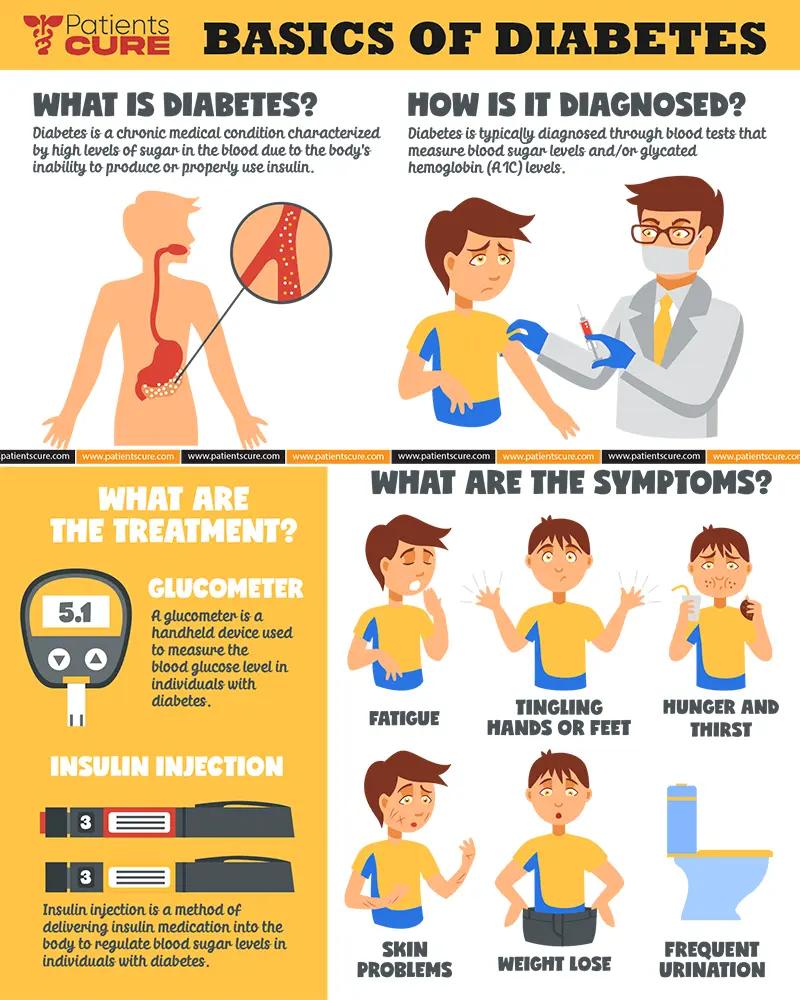
    Diabetes is a chronic medical condition characterized by high levels of glucose (sugar) in the blood. This happens when the body cannot effectively produce or use insulin, a hormone that regulates blood sugar levels. There are two main types of diabetes: type 1, which is an autoimmune disorder that affects the ability of the pancreas to produce insulin, and type 2, which is often caused by lifestyle factors such as diet and exercise, and occurs when the body becomes resistant to insulin.

    Common symptoms of diabetes include frequent urination, increased thirst and hunger, fatigue, blurred vision, and slow wound healing. If left untreated, diabetes can lead to a range of serious health complications, including heart disease, kidney failure, nerve damage, and blindness.

    The good news is that diabetes can be effectively managed with proper medical care and lifestyle changes. This includes maintaining a healthy diet, engaging in regular exercise, monitoring blood sugar levels, taking medications as prescribed, and working closely with a healthcare team to stay on top of the condition.

    While diabetes can be a challenging condition to live with, with the right management and support, people with diabetes can lead full and active lives while reducing the risk of complications associated with the disease.

    Common Risk Factors and Causes of Diabetes

    There are several risk factors and causes associated with the development of diabetes. Some of the most common include:

    Family history: Having a close family member with diabetes increases the risk of developing the disease.

    Being overweight or obese: Being overweight or obese is a major risk factor for developing type 2 diabetes.

    Sedentary lifestyle: Lack of physical activity and a sedentary lifestyle can increase the risk of developing diabetes.

    Poor diet: Consuming a diet that is high in processed foods, sugar, and unhealthy fats can increase the risk of developing type 2 diabetes.

    Age: The risk of developing diabetes increases with age, particularly after the age of 45.

    Gestational diabetes: Women who develop diabetes during pregnancy are at an increased risk of developing type 2 diabetes later in life.

    Certain medical conditions: Certain medical conditions, such as high blood pressure and high cholesterol, can increase the risk of developing diabetes.

    Ethnicity: Certain ethnic groups, including African Americans, Hispanic Americans, and Native Americans, are at an increased risk of developing diabetes.

    It is important to note that while these factors can increase the risk of developing diabetes, not everyone who has these risk factors will develop the disease. Additionally, there are also genetic factors that can play a role in the development of type 1 diabetes.

    Self-Care Practices to Help Manage and Prevent Diabetes

    Self-care practices are essential in managing and preventing diabetes. Here are some tips for managing diabetes through lifestyle changes:

    Follow a healthy diet: Eating a healthy, balanced diet with a variety of fruits, vegetables, whole grains, lean proteins, and healthy fats can help manage blood sugar levels and prevent diabetes. Avoiding processed foods, sugary drinks, and foods high in saturated and trans fats is also important.

    Exercise regularly: Regular physical activity, such as brisk walking, cycling, or swimming, can help manage blood sugar levels, improve circulation, and reduce the risk of developing diabetes. It is recommended to aim for at least 30 minutes of moderate-intensity exercise most days of the week.

    Monitor blood sugar levels: Regularly monitoring blood sugar levels can help manage diabetes and prevent complications. Talk to your healthcare provider about how often you should check your blood sugar levels and what your target levels should be.

    Take medication as prescribed: If prescribed medication, take it as directed by your healthcare provider. This can help manage blood sugar levels and prevent complications.

    Quit smoking: Smoking increases the risk of developing diabetes and can worsen complications associated with the disease.

    Manage stress: Chronic stress can raise blood sugar levels and make managing diabetes more difficult. Finding ways to manage stress, such as through meditation, yoga, or deep breathing exercises, can help prevent and manage diabetes.

    By making these lifestyle changes, individuals can better manage their blood sugar levels and prevent complications associated with diabetes. It is important to work with a healthcare provider to develop an individualized plan for managing diabetes.

    Diabetes Guidelines – Infographic

    Effective Treatments & Medications Available

    There are several effective treatments and medications available for managing diabetes. Here are some of the most common:

    Insulin: Insulin is a hormone produced by the pancreas that regulates blood sugar levels. For individuals with type 1 diabetes, who do not produce enough insulin, insulin injections or a pump may be necessary to manage blood sugar levels. Some individuals with type 2 diabetes may also require insulin therapy if other treatments are not effective.

    Oral medications: There are several types of oral medications available for managing type 2 diabetes. These medications work by either increasing insulin sensitivity or reducing the liver’s production of glucose. Some examples of oral medications include metformin, sulfonylureas, and DPP-4 inhibitors.

    Injectable medications: Injectable medications, such as GLP-1 receptor agonists and SGLT2 inhibitors, may be prescribed for individuals with type 2 diabetes who cannot achieve adequate blood sugar control with oral medications alone.

    Blood sugar monitoring devices: Blood glucose meters, continuous glucose monitoring systems, and flash glucose monitoring systems are devices that allow individuals to monitor their blood sugar levels at home.

    Lifestyle changes: In addition to medication, lifestyle changes such as healthy eating and regular exercise can help manage blood sugar levels and prevent complications associated with diabetes.

    It is important to work with a healthcare provider to determine the most effective treatment plan for managing diabetes. Medications and treatment plans may need to be adjusted over time to achieve optimal blood sugar control.

    Alternative Treatments & Healthy Habits That Can Improve Blood Sugar Control

    While medication and lifestyle changes are the mainstays of diabetes management, there are also some alternative treatments and healthy habits that may help improve blood sugar control. However, it is important to note that these treatments should be used in conjunction with conventional treatment and under the guidance of a healthcare provider. Here are some examples:

    Dietary supplements: Some dietary supplements, such as cinnamon and chromium, may help improve blood sugar control in people with diabetes. However, the evidence for these supplements is mixed, and more research is needed to determine their effectiveness.

    Herbal remedies: Some herbs, such as ginseng and bitter melon, have been used in traditional medicine to manage diabetes. While some studies have shown promising results, more research is needed to determine their effectiveness and safety.

    Exercise: Regular exercise can help improve blood sugar control and reduce the risk of complications associated with diabetes. Aim for at least 150 minutes of moderate-intensity aerobic activity per week, as well as strength training exercises at least two days per week.

    Stress management: Stress can increase blood sugar levels in people with diabetes, so finding ways to manage stress may be helpful. Examples of stress-management techniques include meditation, deep breathing, and yoga.

    Sleep: Getting enough sleep is important for overall health and may also help improve blood sugar control in people with diabetes.

    It is important to talk to a healthcare provider before starting any new supplements or alternative treatments for diabetes. These treatments should not be used as a substitute for conventional treatment.

    Embrace Positive Change with Effective Management Strategies For Living Healthier With Diabetes

    In conclusion, diabetes is a chronic condition that affects millions of people worldwide. While there is no cure for diabetes, it can be effectively managed with a combination of medication, lifestyle changes, and self-care practices. By following a healthy diet, engaging in regular exercise, monitoring blood sugar levels, and taking medication as prescribed, people with diabetes can improve their overall health and reduce the risk of complications associated with the condition. It is also important to work closely with a healthcare provider and a multidisciplinary team to develop an individualized treatment plan and make adjustments as needed. With effective management strategies and a positive attitude toward change, it is possible to live a healthy and fulfilling life with diabetes.

  • Understanding Sarcoma: Diagnosis, Treatment & Prevention

    Understanding Sarcoma: Diagnosis, Treatment & Prevention

    Introduction

    Sarcoma is a type of cancer that affects the body’s connective tissues, such as bones, muscles, cartilage, and fat. It is a rare type of cancer, accounting for only about 1% of all adult cancers. Sarcoma can occur at any age, but it is most commonly diagnosed in adolescents and young adults. In this article, we will discuss the diagnosis, treatment, and prevention of sarcoma, as well as some important information for those who may be at risk for this type of cancer.

    Introduction: What is Sarcoma and What are the Types?

    Sarcoma is a type of cancer that originates in the body’s connective tissues, which include bones, muscles, cartilage, and fat. These tissues are responsible for supporting and connecting the various parts of our bodies, and when cancer cells grow and spread within them, it can have serious consequences.

    There are two main types of sarcoma: soft tissue sarcoma and bone sarcoma. Soft tissue sarcoma develops in the body’s soft tissues, including muscles, tendons, and fat, while bone sarcoma occurs in the bones. Within these broad categories, there are several subtypes of sarcoma, each with its own unique characteristics and treatment options. One of the most well-known subtypes of bone sarcoma is Ewing’s sarcoma, a rare and aggressive cancer that typically affects children and young adults.

    Sarcoma is a relatively rare type of cancer, accounting for only about 1% of all adult cancers. However, it is important to be aware of its symptoms and risk factors, as early detection and treatment can greatly improve outcomes. In the following sections, we will discuss the diagnosis, treatment, and prevention of sarcoma, as well as some important information for those who may be at risk for this type of cancer.

    Types of Sarcoma

    As mentioned in the introduction, there are two main types of sarcoma: soft tissue sarcoma and bone sarcoma.

    Soft tissue sarcoma can develop in any part of the body’s soft tissues, including muscles, tendons, nerves, fat, blood vessels, and other connective tissues. Some of the most common subtypes of soft tissue sarcoma include:

    Liposarcoma: This type of sarcoma develops in fat tissue and is most commonly found in the legs or abdomen.

    Leiomyosarcoma: This subtype of soft tissue sarcoma develops in smooth muscle tissue and can occur in various parts of the body, including the uterus, stomach, and intestines.

    Synovial sarcoma: This rare type of sarcoma develops in the joints, particularly around the knees and ankles.

    Malignant peripheral nerve sheath tumor (MPNST): This subtype of sarcoma develops in the nerves that control movement and sensation, and is often associated with neurofibromatosis, a genetic disorder that causes tumors to grow on nerves throughout the body.

    Bone sarcoma, on the other hand, develops in the bones themselves. Some of the most common subtypes of bone sarcoma include:

    Osteosarcoma: This aggressive type of bone cancer usually develops in the long bones of the arms or legs, and is most commonly diagnosed in adolescents and young adults.

    Chondrosarcoma: This subtype of bone sarcoma develops in the cartilage that cushions the joints, and is most commonly found in the pelvis, thigh bone, or upper arm bone.

    Ewing’s sarcoma: As mentioned earlier, Ewing’s sarcoma is a rare and aggressive form of bone cancer that usually affects children and young adults, and most commonly develops in the bones of the pelvis, arms, or legs.

    It is important to note that there are many other subtypes of sarcoma and that each subtype has its own unique characteristics and treatment options. If you suspect that you may have sarcoma, it is important to speak with your doctor and undergo the necessary tests and evaluations to determine the best course of treatment.

    Diagnosing & Treating Saroma

    Diagnosing and treating sarcoma can be a complex process, but with the right care and treatment, it is possible to manage this type of cancer and improve outcomes.

    When it comes to diagnosing sarcoma, your doctor will typically begin by conducting a physical exam and taking a detailed medical history to identify any potential risk factors. They may then order various imaging tests, such as X-rays, MRIs, or CT scans, to get a better look at the affected area and determine the extent of cancer. In some cases, a biopsy may also be necessary to confirm the diagnosis and determine the specific subtype of sarcoma.

    Once a diagnosis has been made, your doctor will work with you to develop a personalized treatment plan that takes into account your specific subtype of sarcoma, the location and stage of cancer, and your overall health and treatment preferences.

    Treatment options for sarcoma typically include a combination of surgery, chemotherapy, and radiation therapy. Surgery is often the first line of treatment for sarcoma and may involve removing the cancerous tissue and surrounding areas of healthy tissue to ensure that all cancer cells are removed.

    Chemotherapy and radiation therapy are also commonly used to treat sarcoma, either on their own or in combination with surgery. Chemotherapy involves the use of powerful drugs to kill cancer cells, while radiation therapy uses high-energy radiation to target and destroy cancer cells. Depending on the specific subtype of sarcoma and the location and stage of cancer, your doctor may recommend one or both of these treatments as part of your overall treatment plan.

    It is important to note that while these treatments can be highly effective, they can also cause a range of side effects, including fatigue, nausea, and hair loss. Your healthcare team will work with you to manage any side effects and ensure that you are receiving the best possible care throughout your treatment journey.

    Complications and Possible Long-term Side Effects of Treating Saroma

    While treating sarcoma is essential to manage cancer and improving outcomes, it is also important to be aware of the possible long-term side effects and complications that can arise from cancer treatments. These side effects can vary depending on the specific treatment used and the individual patient’s health and medical history.

    Some common long-term side effects of cancer treatment include fatigue, pain, and swelling in the affected area. Chemotherapy and radiation therapy can also cause damage to healthy cells and tissues in the body, leading to a range of potential complications such as infertility, secondary cancers, and heart or lung problems.

    Surgery may sometimes result in nerve damage, scarring, or a loss of function in the affected area. Additionally, some patients may experience emotional or psychological effects such as anxiety, depression, or post-traumatic stress disorder (PTSD) related to their cancer diagnosis and treatment.

    It is important to discuss potential long-term side effects and complications with your healthcare team before beginning treatment so that you can make an informed decision about your care and be prepared for any potential challenges. Your healthcare team can also work with you to develop a plan for managing any side effects or complications that may arise and to monitor your ongoing health and well-being after treatment.

    What Are the Latest Research & Developments for Treating & Detecting Saroma?

    Sarcoma is a rare and complex cancer that requires ongoing research and development to improve treatment options and detection methods. Fortunately, there are many researchers and healthcare professionals working to advance our understanding of sarcoma and develop new strategies for managing this disease.

    One area of focus in sarcoma research is the development of targeted therapies, which are drugs or other treatments that are designed to specifically target cancer cells while minimizing damage to healthy tissues. This approach has shown promise in treating other types of cancer and is now being explored for sarcoma as well. Other areas of research include immunotherapy, which involves using the body’s own immune system to fight cancer, and gene therapy, which seeks to modify genes in cancer cells to prevent them from growing and spreading.

    In addition to developing new treatments, researchers are also working to improve detection methods for sarcoma. This includes the use of advanced imaging techniques such as magnetic resonance imaging (MRI) and positron emission tomography (PET) scans, as well as the development of new biomarkers and blood tests that can help identify the presence of sarcoma in the body.

  • Congenital Abnormalities: What Causes Them and How to Manage Them

    Congenital Abnormalities: What Causes Them and How to Manage Them

    Congenital abnormalities, also known as birth defects, are structural or functional abnormalities present at birth. These can be caused by genetic or environmental factors, or a combination of both.

    Genetic factors can include mutations or changes in genes that are inherited from parents. Environmental factors can include exposure to harmful substances, such as drugs or alcohol, or infections during pregnancy.

    There are many types of congenital abnormalities, including structural defects like cleft lip and palate, heart defects, and neural tube defects, as well as functional abnormalities like intellectual disability and developmental delays.

    The management of congenital abnormalities depends on the type and severity of the condition. Treatment may involve surgery, medication, therapy, or a combination of these approaches. In some cases, the condition may be mild and require no treatment at all.

    Preventing congenital abnormalities is also an important consideration. Women who are pregnant or planning to become pregnant can take steps to reduce their risk of giving birth to a child with a birth defect. This can include avoiding alcohol and drugs, taking folic acid supplements, and getting proper prenatal care.

    Introduction: What are Congenital Abnormalities and What Causes Them?

    Understanding Congenital Abnormalities

    If you or someone you know has been diagnosed with a congenital abnormality, it can be a confusing and overwhelming experience. Congenital abnormalities, also known as birth defects, are structural or functional abnormalities that are present at birth. These can affect various parts of the body, including organs, limbs, and the brain.

    While some congenital abnormalities may be mild and require no treatment, others can be life-threatening and require extensive medical intervention. It is important to understand the causes of congenital abnormalities to better manage and prevent them.

    Causes of Congenital Abnormalities

    There are several factors that can cause congenital abnormalities, including genetic disorders and chromosomal abnormalities. Genetic disorders occur when there are mutations or changes in genes that are passed down from parents to their children. Chromosomal abnormalities, on the other hand, occur when there is an abnormal number or structure of chromosomes.

    In addition to genetic and chromosomal factors, environmental factors can also play a role in causing congenital abnormalities. These can include exposure to toxins, such as alcohol and tobacco, during pregnancy, as well as certain infections.

    It is important to remember that not all congenital abnormalities are preventable. However, there are steps that can be taken to reduce the risk of giving birth to a child with a birth defect, such as avoiding harmful substances during pregnancy and getting proper prenatal care.

    By understanding the causes and management of congenital abnormalities, individuals and families can better cope with the condition and improve outcomes for affected individuals.

    The Different Types of Congenital Abnormalities and Their Symptoms

    Congenital abnormalities, also known as birth defects, are structural or functional abnormalities that are present at birth. Here are some of the different types of congenital abnormalities and their symptoms:

    Congenital Heart Defects

    Congenital heart defects are the most common type of birth defect. These can include a hole in the heart, narrowed or blocked blood vessels, or an abnormal heart valve. Symptoms of congenital heart defects may include rapid breathing, fatigue, or blue-tinted skin.

    Cleft Lip and Palate

    Cleft lip and palate are structural abnormalities that occur when the tissues that form the lip and palate do not fuse together properly during fetal development. Symptoms may include a split or gap in the lip or palate, difficulty feeding, and speech problems.

    Down Syndrome

    Down syndrome is a genetic disorder that occurs when there is an extra copy of chromosome 21. Symptoms of Down syndrome may include intellectual disability, delayed growth and development, and distinct facial features.

    Neural Tube Defects

    Neural tube defects are structural abnormalities that occur when the neural tube, which forms the brain and spinal cord, does not close properly during fetal development. These can include spina bifida, anencephaly, and encephalocele. Symptoms may include paralysis, intellectual disability, or problems with bowel and bladder function.

    Newborn baby having Neural Tube Defects

    It is important to note that symptoms and severity of congenital abnormalities can vary widely, and not all individuals with a congenital abnormality may experience symptoms. Early detection and appropriate treatment can help improve outcomes for affected individuals and families.

    Diagnosing Congenital Abnormalities in Prenatal Care

    Diagnosing congenital abnormalities during prenatal care is an important step in managing and treating these conditions. Here are some common methods used for prenatal diagnosis:

    Ultrasound Scan

    Ultrasound scans use high-frequency sound waves to create images of the developing fetus. This non-invasive test can detect many types of congenital abnormalities, including heart defects, cleft lip and palate, and neural tube defects. It can also help estimate the gestational age of the fetus and monitor fetal growth.

    Amniocentesis Test

    Amniocentesis is an invasive diagnostic test that involves the insertion of a thin needle through the abdomen into the amniotic sac to collect a sample of amniotic fluid. This fluid contains fetal cells that can be analyzed for chromosomal abnormalities and genetic disorders. This test is usually recommended for women who are at high risk of having a baby with a congenital abnormality.

    Chorionic Villus Sampling

    Chorionic villus sampling (CVS) is another invasive diagnostic test that involves the removal of a small sample of placental tissue for analysis. This test can detect chromosomal abnormalities and genetic disorders and is usually performed earlier in pregnancy than amniocentesis.

    Non-Invasive Prenatal Testing

    Non-invasive prenatal testing (NIPT) is a relatively new test that analyzes fetal DNA in the mother’s blood to detect chromosomal abnormalities and genetic disorders. This test is non-invasive and has a high accuracy rate, but is typically more expensive than other prenatal diagnostic tests.

    Early detection and appropriate treatment can help improve outcomes for individuals with congenital abnormalities. Women who are pregnant or planning to become pregnant should discuss prenatal screening and diagnostic options with their healthcare provider.

    Managing the Health Risks Associated with Congenital Abnormalities

    Managing the health risks associated with congenital abnormalities involves a multidisciplinary approach that includes preventive care guidelines, lifestyle modifications, and ongoing medical care. Here are some key strategies for managing the health risks associated with congenital abnormalities:

    Preventive Care Guidelines

    Preventive care guidelines can help reduce the risk of complications associated with congenital abnormalities. These guidelines may include regular check-ups with a healthcare provider, routine screening tests, vaccinations, and other preventive measures.

    Multidisciplinary Team Approach

    A multidisciplinary team approach can help ensure that individuals with congenital abnormalities receive comprehensive care that addresses their unique needs. This team may include healthcare providers such as physicians, nurses, and therapists, as well as social workers, genetic counselors, and other specialists.

    Lifestyle Modifications

    Lifestyle modifications can help reduce the risk of complications associated with certain congenital abnormalities. For example, individuals with congenital heart defects may need to avoid certain physical activities or follow a modified diet. Other lifestyle modifications may include regular exercise, stress reduction techniques, and smoking cessation.

    Ongoing Medical Care

    Ongoing medical care is essential for individuals with congenital abnormalities. This may include regular check-ups, diagnostic tests, and medical treatments such as medication or surgery. In some cases, individuals with congenital abnormalities may require specialized care from a medical center that specializes in their particular condition.

    Managing the health risks associated with congenital abnormalities requires a collaborative effort between individuals, their families, and their healthcare providers. By following preventive care guidelines, making lifestyle modifications, and receiving ongoing medical care, individuals with congenital abnormalities can lead healthy and fulfilling lives.

    Treatment Options for Managing Congenital Abnormalities

    Treatment options for managing congenital abnormalities vary depending on the type and severity of the condition. Here are some common treatment options:

    Surgery Options

    Surgery may be necessary to correct certain congenital abnormalities, such as heart defects, cleft lip and palate, and neural tube defects. The timing and type of surgery depend on the specific condition and the individual’s age and health. In some cases, multiple surgeries may be required over time to fully correct the abnormality.

    Medications and Therapies

    Medications and therapies can also help manage the symptoms associated with certain congenital abnormalities. For example, individuals with congenital heart defects may require medications to regulate their heart rate or reduce fluid buildup. Therapies such as physical therapy, speech therapy, and occupational therapy can also help individuals with congenital abnormalities improve their motor skills, communication abilities, and overall quality of life.

    Assistive Devices

    Assistive devices such as hearing aids, braces, and prosthetics can also help manage the symptoms associated with certain congenital abnormalities. These devices can help individuals with mobility impairments, hearing or vision loss, and other physical limitations to perform daily tasks more easily and independently.

    Genetic Counseling

    Genetic counseling may also be recommended for individuals with congenital abnormalities and their families. Genetic counseling can help individuals understand the underlying causes of their condition, identify potential risks to their future children, and make informed decisions about family planning and genetic testing.

    Effective treatment for congenital abnormalities requires a personalized approach that takes into account the individual’s specific needs and circumstances. Healthcare providers, including physicians, surgeons, therapists, and genetic counselors, work together to develop a comprehensive treatment plan that addresses the individual’s medical, developmental, and psychosocial needs.

    Taking Steps Towards a Better Quality

    In conclusion, congenital abnormalities are a complex and diverse group of conditions that can significantly impact an individual’s health and quality of life. While the causes of these conditions vary, there are many effective strategies for managing the health risks associated with congenital abnormalities and improving overall health outcomes.

    Preventive care guidelines, a multidisciplinary team approach, lifestyle modifications, ongoing medical care, and treatment options such as surgery, medications and therapies, and assistive devices can all help individuals with congenital abnormalities lead healthy and fulfilling lives.

    It is important to remember that the management of congenital abnormalities requires a collaborative effort between individuals, their families, and their healthcare providers. By working together to develop a personalized treatment plan, individuals with congenital abnormalities can take steps towards a better quality of life and achieve their full potential.

  • Melanoma: A Comprehensive Guide to Causes, Symptoms, Diagnosis, and Treatment

    Melanoma: A Comprehensive Guide to Causes, Symptoms, Diagnosis, and Treatment

    Melanoma skin cancer is a type of cancer that starts in the melanocytes, which are the cells responsible for producing pigment in the skin. It can occur anywhere on the body but is most commonly found on the face, neck, arms, and legs. Melanoma is a serious condition that can be fatal if not detected and treated early.

    Prevention is key when it comes to melanoma. Protecting your skin from the sun’s harmful UV rays is crucial in reducing your risk of developing this type of skin cancer. Some effective melanoma prevention strategies include wearing protective clothing, staying in the shade during peak sun hours, and using sunscreen with an SPF of at least 30.

    Being aware of the symptoms of skin cancer is also important. If you notice any changes in the size, shape, or color of a mole or freckle, or if you develop a new spot on your skin that doesn’t go away, it’s important to see a doctor as soon as possible for a melanoma diagnosis.

    Regular skin checks and screenings are also important for detecting melanoma early. If you have a family history of melanoma or have had melanoma before, it’s especially important to be vigilant and get regular check-ups.

    The Different Types of Melanoma and Their Risk Factors

    Melanoma is a type of skin cancer that develops in the cells that produce pigment in the skin. There are several different types of melanoma, each with its own unique characteristics and risk factors.

    Superficial Spreading Melanoma

    The most common type of melanoma is called superficial spreading melanoma. This type of melanoma usually begins as a flat, discolored spot on the skin and can eventually become raised and bumpy. Superficial spreading melanoma is more common in people with:

    • Fair skin
    • A history of sun exposure
    • A family history of melanoma

    Nodular Melanoma

    Another type of melanoma is nodular melanoma, which usually appears as a dark bump on the skin. Nodular melanoma is more common in:

    • Men than women
    • People with fair skin
    • People with a history of sunburns
    • People with a weakened immune system

    Nodular melanoma tends to grow quickly.

    Lentigo Maligna Melanoma

    Lentigo maligna melanoma is a type of melanoma that usually develops in older people who have spent a lot of time in the sun. This type of melanoma tends to grow slowly and may appear as a flat, brown spot on the skin that becomes darker over time.

    Acral Lentiginous Melanoma

    Acral lentiginous melanoma is a rare form of melanoma that occurs on the palms of the hands, the soles of the feet, or under the nails. This type of melanoma is more common in:

    • People with darker skin
    • People who may not be exposed to the sun

    In summary, being aware of the different types of melanoma and their risk factors can help you take steps to protect your skin and reduce your risk of developing this serious form of skin cancer.

    Signs & Symptoms of Melanomas to Look Out For

    Melanoma is a serious form of skin cancer that can be deadly if not detected early. It’s important to know the signs and symptoms of melanoma so that you can seek medical attention if you notice any changes in your skin.

    Here are some warning signs of melanoma to look out for:

    • A new mole or growth on your skin
    • A mole that changes in size, shape, or color
    • A mole that bleeds or becomes crusty
    • A mole that is asymmetrical, with one-half different from the other half
    • A mole with an irregular or jagged border
    • A mole that is larger than a pencil eraser
    • A mole that is itchy, painful, or tender to the touch

    It’s important to note that not all melanomas follow these rules, and some may not show any symptoms at all. That’s why it’s crucial to have any suspicious moles or growths checked by a dermatologist.

    Early detection is key when it comes to melanoma. If you notice any of the above symptoms or any changes in your skin, make an appointment with a dermatologist as soon as possible. Regular skin exams are also important, especially if you have a family history of melanoma or other risk factors for skin cancer.

    Diagnosing & Treating Melanomas – What are the Different Options?

    If you suspect you may have melanoma or have noticed any changes in your skin, it’s important to see a dermatologist for a proper diagnosis. Here are some common methods used to diagnose melanoma:

    Biopsy

    A biopsy involves removing a small sample of skin tissue to be examined under a microscope. This is the most common way to diagnose melanoma.

    Imaging Tests

    Imaging tests, such as X-rays, CT scans, and MRI scans, may be used to determine if the melanoma has spread to other parts of the body.

    Staging

    After a diagnosis of melanoma, your doctor may perform tests to determine the stage of the cancer, which helps determine the appropriate treatment plan.

    Once a melanoma has been diagnosed, treatment will depend on the stage and location of the cancer. Here are some common treatment options:

    Surgery

    Surgery involves removing the melanoma and a border of healthy skin around it. This is usually the first step in treating melanoma.

    Radiation Therapy

    Radiation therapy uses high-energy beams of radiation to kill cancer cells. This is often used after surgery to destroy any remaining cancer cells.

    Chemotherapy

    Chemotherapy uses drugs to kill cancer cells. This treatment may be recommended if the melanoma has spread to other parts of the body.

    Immunotherapy

    Immunotherapy helps the body’s immune system to fight cancer. This may be recommended if the melanoma has spread or if it is likely to recur.

    Targeted Therapy

    Targeted therapy uses drugs that target specific genes or proteins in cancer cells. This treatment may be recommended if the melanoma has a specific genetic mutation.

    The best course of treatment for melanoma will depend on a number of factors, including the stage and location of the cancer, as well as the patient’s overall health. If you have been diagnosed with melanoma, talk to your doctor about your treatment options and what may be right for you.

    Preventing Melanomas – Tips on Sun Safety & Other Skin Care Practices

    Prevention is key when it comes to melanoma. Here are some sun safety tips to help protect your skin from harmful UV rays and reduce your risk of developing melanoma:

    Wear Sunscreen

    Apply a broad-spectrum sunscreen with an SPF of at least 30 every day, even on cloudy days. Reapply every two hours or after swimming or sweating.

    Seek Shade

    Try to stay in the shade between 10 a.m. and 4 p.m. when the sun’s rays are the strongest.

    Wear Protective Clothing

    Wear long-sleeved shirts, pants, and a wide-brimmed hat to protect your skin from the sun.

    Avoid Tanning Beds

    Tanning beds can cause skin damage and increase your risk of developing melanoma.

    Check Your Skin

    Perform regular self-exams to check for any new or changing moles or spots on your skin. See a dermatologist if you notice any changes.

    Stay Hydrated

    Drinking plenty of water helps keep your skin healthy and hydrated.

    Be Careful Around Water and Sand

    Water and sand can reflect the sun’s rays and increase your risk of sunburn. Use extra caution when near these surfaces.

    By following these sun safety tips, you can help reduce your risk of developing melanoma and other types of skin cancer. Remember to always protect your skin when you’re outdoors and be vigilant in checking for any changes to your skin.