
Classical Medicinal Plants, Spices & Herbs
The foundational dravyaguna encyclopedia of Indian medicine. Discover the biological properties (Rasa, Guna, Virya, Vipaka), organoleptic actions, safe dosage boundaries, and classical clinical indications for individual botanical substances.
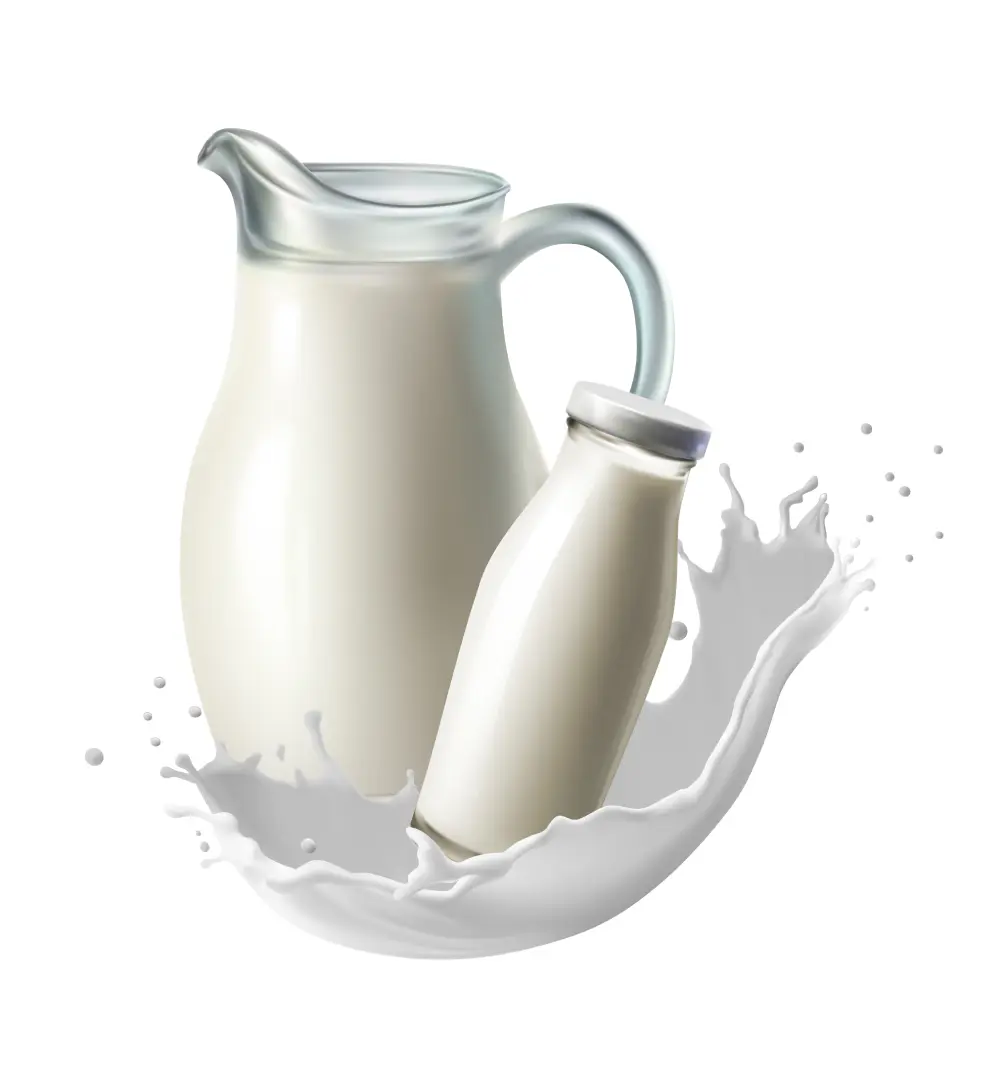
Whole Milk
Whole milk is a nutrient-rich dairy food containing naturally occurring fat, protein, carbohydrates, calcium, and other nutrients. In Ayurveda, fresh milk, particularly cow's milk, is traditionally regarded as nourishing, strengthening, and supportive of healthy tissues when appropriately tolerated.
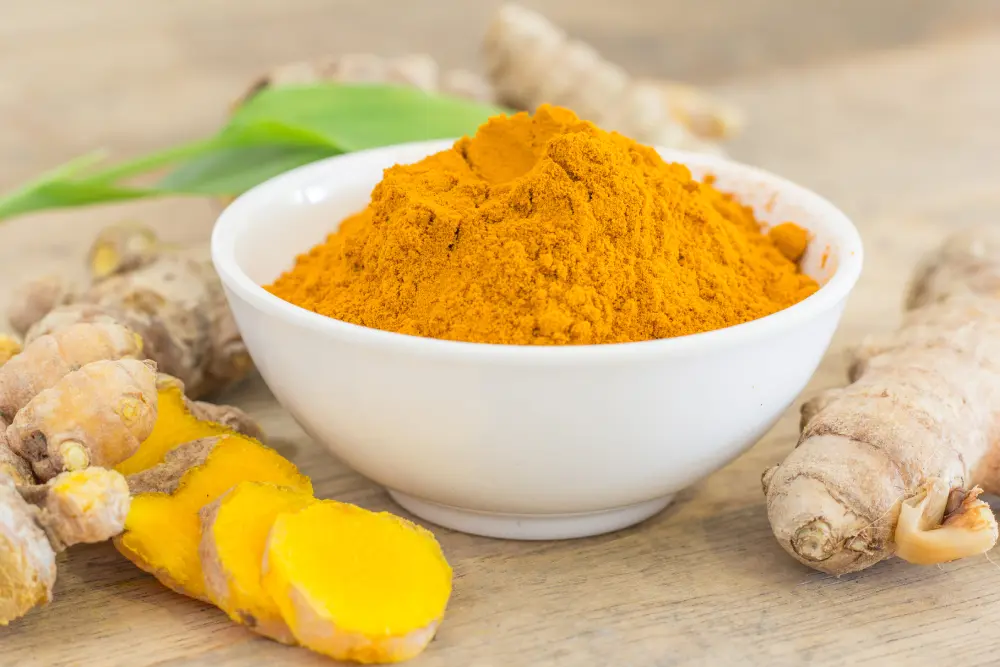
Turmeric Powder
Turmeric powder, known as Haridra in Ayurveda, is one of the most celebrated herbs in the classical tradition. A potent anti-inflammatory, blood purifier, and digestive tonic, it pacifies all three doshas and is used across thousands of Ayurvedic formulations.
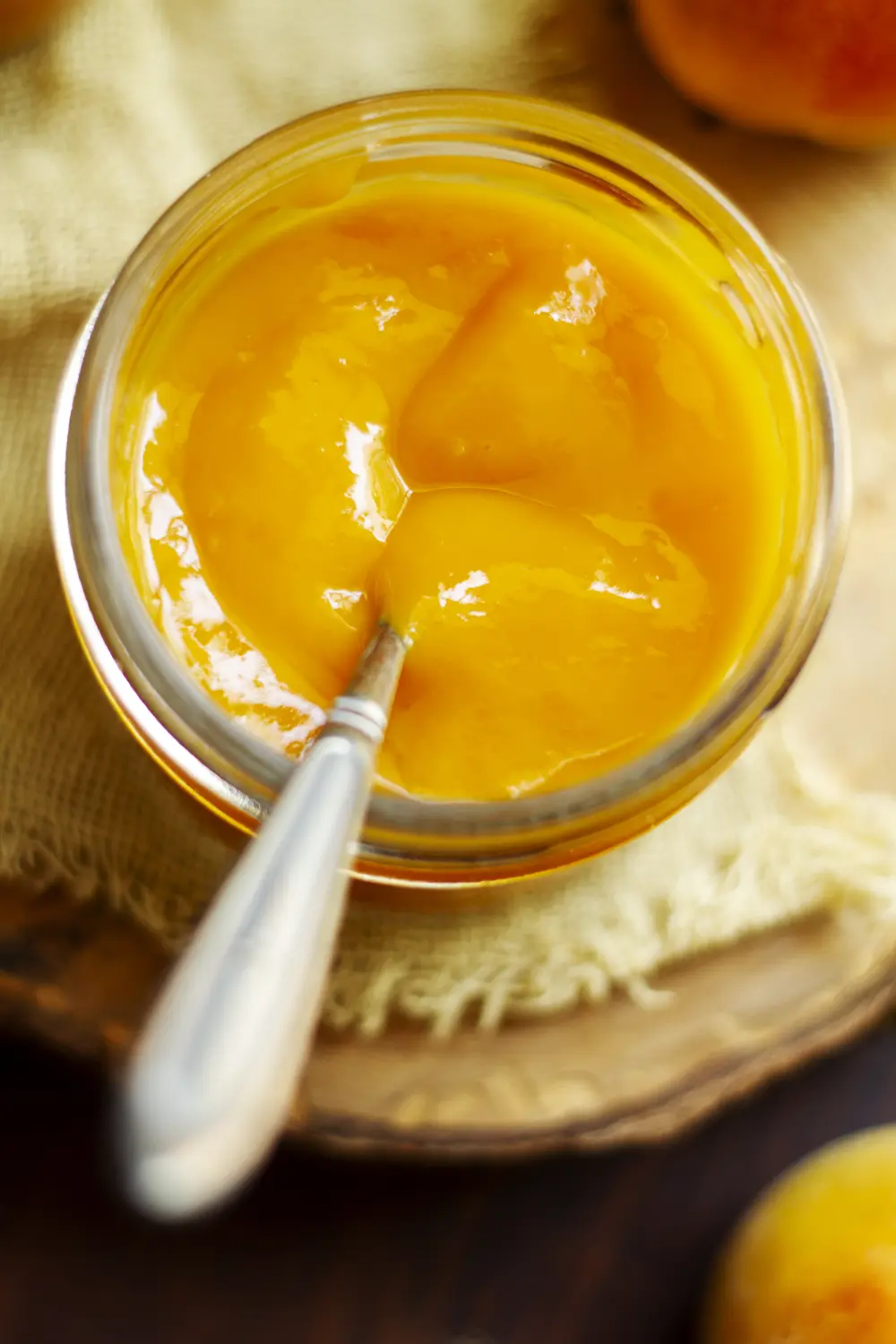
Ghee
Ghee, known as Ghrita in Ayurveda, is considered the most refined and therapeutically potent of all fats. A supreme rasayana and digestive enhancer, it nourishes the deepest bodily tissues, builds Ojas, and serves as an unparalleled carrier for Ayurvedic herbs and medicines.
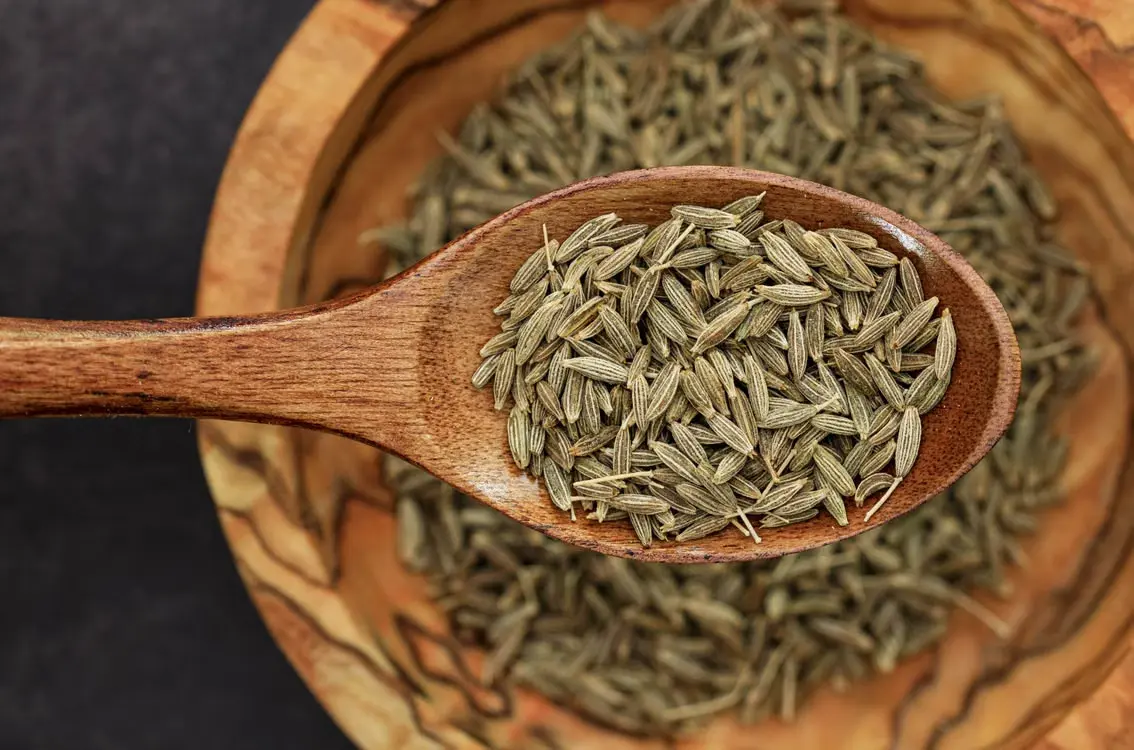
Cumin Seeds
Cumin seeds are aromatic seeds traditionally used as a culinary spice and in Ayurvedic preparations to support digestion.
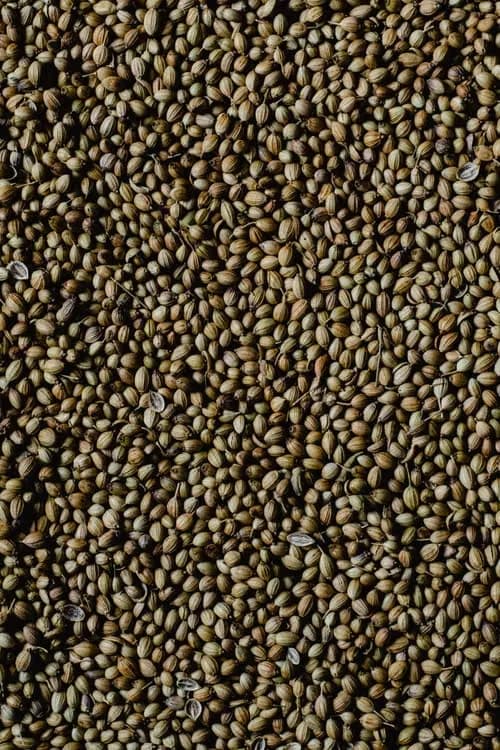
Coriander Seeds
Coriander seeds are aromatic seeds traditionally used as a culinary spice and in Ayurvedic preparations to support digestion and cooling balance.
Black Pepper
Grated Ginger
Raw Honey
Lemon Juice
Tea leaves
Water
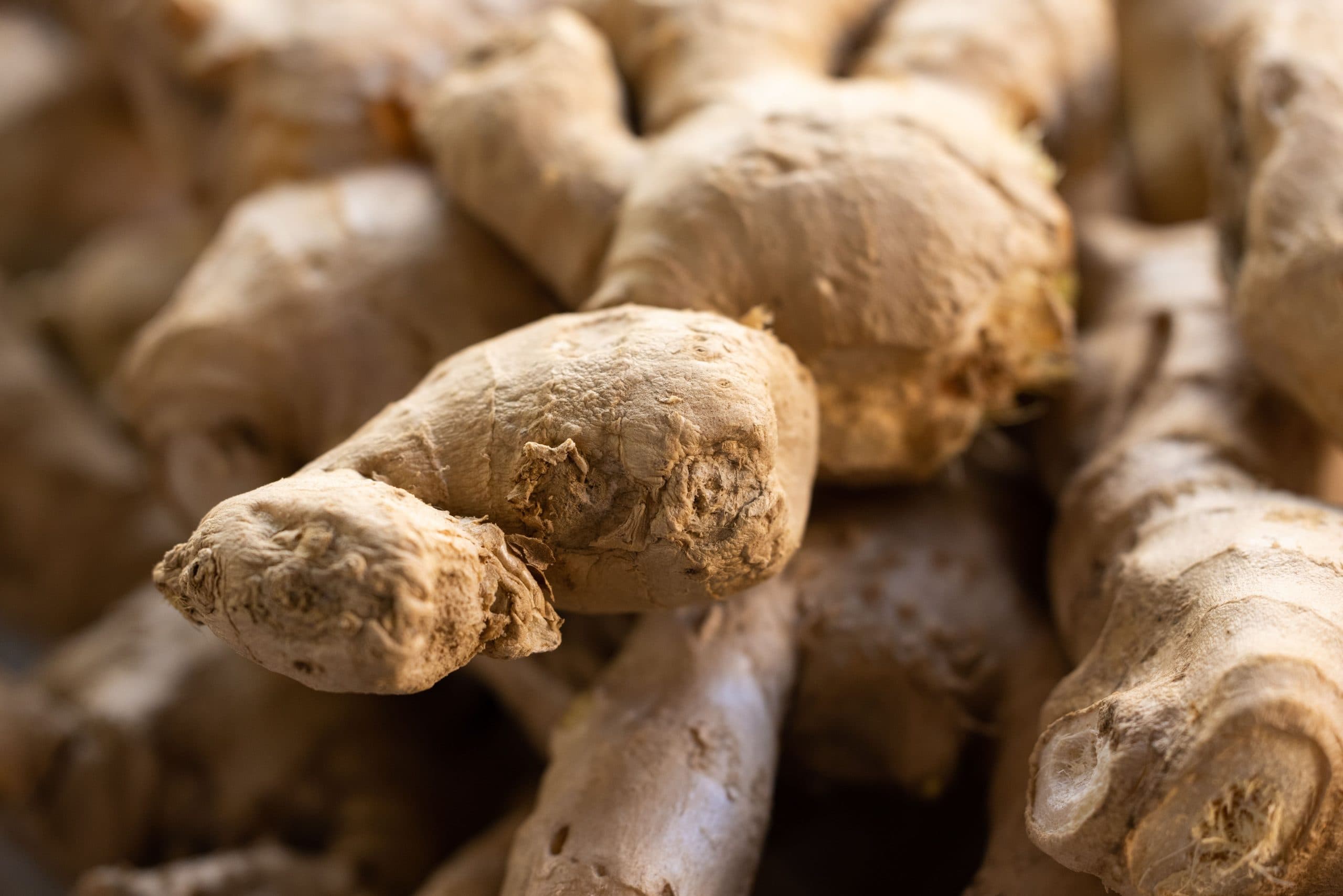
Fresh Ginger
Ginger is a versatile Ayurvedic herb revered as Vishwabhesaja (the universal medicine). It effectively ignites digestive fire (Agni), relieves nausea, aids respiratory health, and balances Vata and Kapha doshas.